
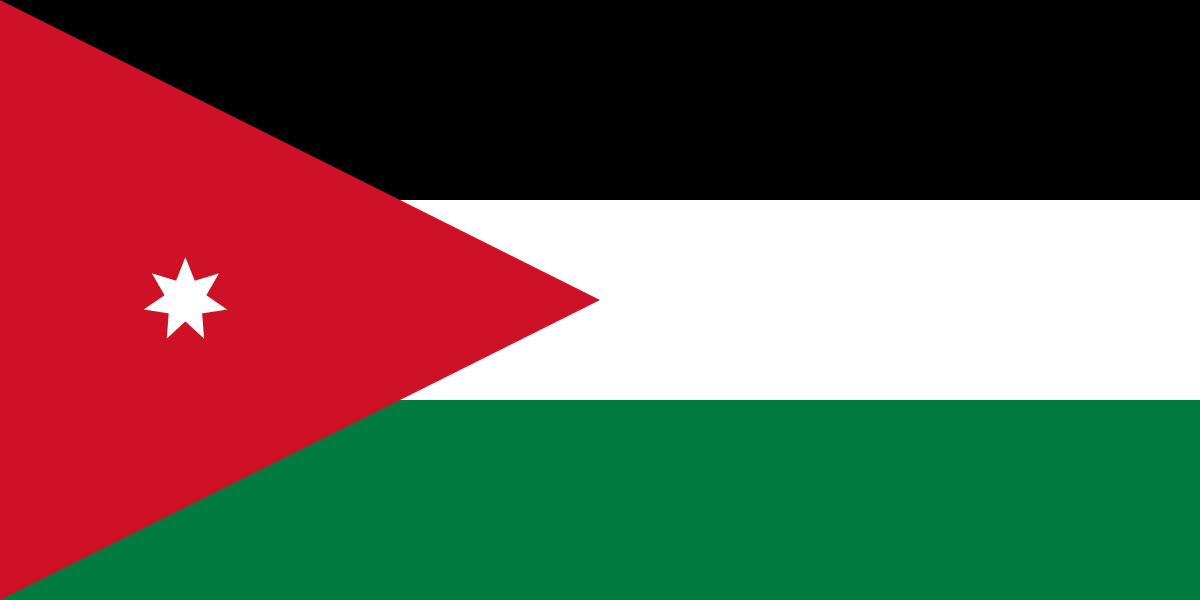


What one dinar buys
| Currency | Code | 1 JOD equals |
|---|---|---|
| US dollar | USD | 1.41 |
| Euro | EUR | 1.29 |
| British pound | GBP | 1.08 |
| Saudi riyal | SAR | 5.29 |
| UAE dirham | AED | 5.18 |
| Egyptian pound | EGP | 76.57 |
| Israeli shekel | ILS | 4.71 |
| Indian rupee | INR | 130.7 |
| Turkish lira | TRY | 71.41 |
Dinar pairs:
Dinars in the West Bank too
The Jordanian dinar circulates in the West Bank alongside the Israeli shekel, and many Palestinian savings, dowries and property prices are still set in dinars. Inside Jordan, Petra entry fees and the Jordan Pass for visitors are priced in dinars. The dinar took over from the Palestine pound in 1950. See Central Bank of Jordan.
| ISO code | JOD (400) |
|---|---|
| Signs | JD, د.ا |
| Subunit | 1,000 fils / 100 piastres |
| Central bank | Central Bank of Jordan, Amman |
| Peg | 0.709 JOD per USD since 1995 |
Remittances and aid behind the peg
Jordan has few natural resources, so the peg rests on reserves built from tourism, phosphate and potash exports, remittances from Jordanians in the Gulf, and foreign aid. The Central Bank of Jordan keeps reserves large enough to cover several months of imports, which has kept the 0.709 rate unchanged through regional crises.