
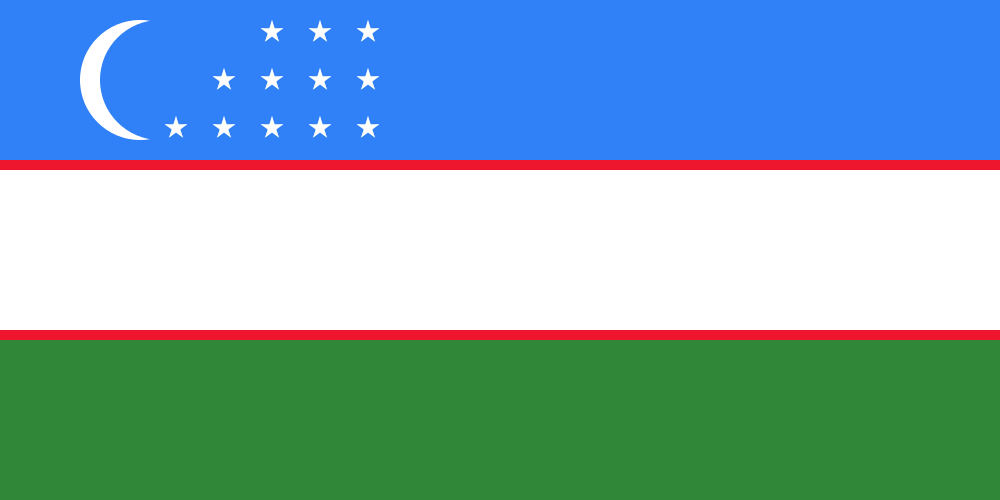


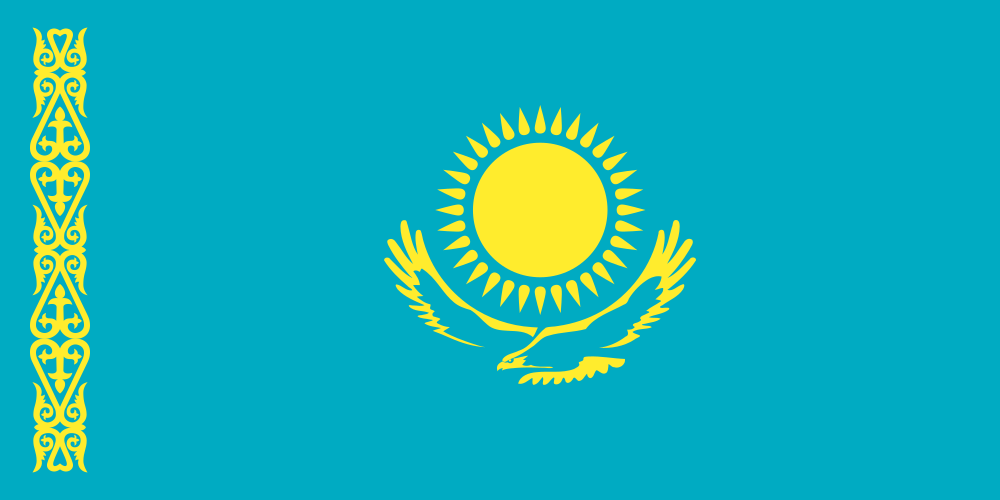

Som per dollar, ruble and euro
Millions of Uzbeks work in Russia and Kazakhstan, so the ruble and tenge lines matter to many families alongside the dollar.
| Currency | Code | UZS per unit |
|---|---|---|
| US dollar | USD | 11,985 |
| Russian ruble | RUB | 146 |
| Euro | EUR | 13,120 |
| Kazakhstani tenge | KZT | 26 |
| Chinese yuan | CNY | 1,799 |
| Turkish lira | TRY | 237 |
| South Korean won (1,000) | KRW | 8,920 |
| British pound | GBP | 15,685 |
Som pairs:
Gold, gas and remittances
Uzbekistan earns foreign currency from gold, natural gas, cotton products and money sent home by migrant workers. The Central Bank of Uzbekistan lets the som float but buys and sells gold and dollars to smooth the rate. Bank cards from Uzcard and Humo dominate local payments; foreign Visa and Mastercard cards work in Tashkent hotels and many shops in Samarkand and Bukhara.
| ISO code | UZS (860) |
|---|---|
| Sign | soʻm |
| Subunit | 100 tiyin (not used) |
| Central bank | Central Bank of Uzbekistan, Tashkent |
| Introduced | 1994 |
| Unified rate | 5 September 2017 |
Bricks of banknotes
With the som's low unit value, changing 100 dollars returns a thick stack of notes. Larger denominations have been added over the years, yet many travellers still prefer cards to carrying bundles of cash between Silk Road cities.